RSPCA capacity crisis: cats arriving faster than they can be rehomed
Lifestyle
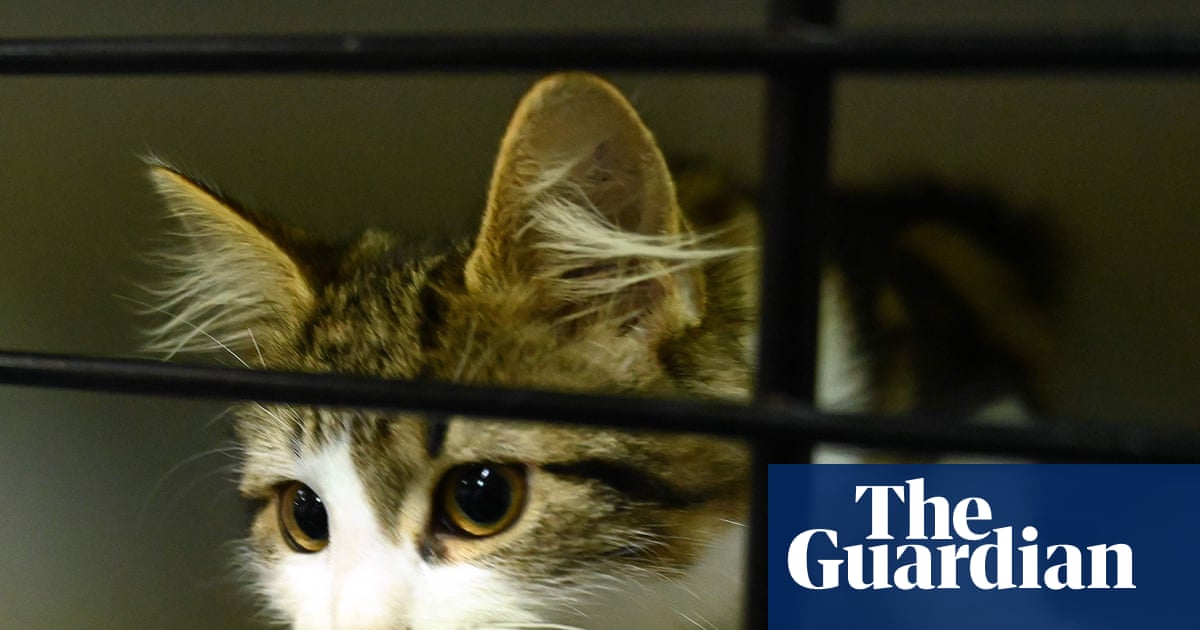
The RSPCA has declared a feline emergency across its rescue network, with abandoned cats now surpassing dogs in the charity's shelters. Felines are arriving at RSPCA centres at a rate faster than they can be found new homes, prompting the organisation to appeal to people throughout England and Wales to consider adoption.
Rising Intake and Capacity Struggles
The charity took in approximately 20,000 cats last year, a figure partly driven upward by pet hoarders. Owners are being encouraged to neuter their cats as kittens are increasingly discovered abandoned in dangerous circumstances. In 2025, the charity responded to 1,780 incidents involving 10 or more cats at a single address – nearly five daily, and an increase of almost 65% compared with the previous year. These incidents involved over 36,000 cats in total. The RSPCA has exhausted available space for both cats and dogs in its shelters. Capacity problems have persisted since last year, driven partly by the growth in multi-animal cases alongside increasing cruelty and neglect. Beth Clements, the RSPCA's assistant director of animal services, said: "We've seen a huge influx of cats and kittens. Sadly it just isn't slowing down – and it's having a massive impact on our centres and branches. "So far this year we're taking in an average of 624 cats each month across our 14 national centres and private boarding establishments – that's not including the massive numbers our independent local branch network are taking in too." She confirmed that cats in the charity's care now exceeded dogs, adding: "We're especially keen to find homes for adult cats who may have been overlooked in favour of kittens, as well as those who need experienced, patient owners or slightly alternative homes to help them settle into a new life." Year-on-Year Growth in Cat Numbers
Cat intake at the RSPCA has risen annually since 2021, when the charity received 4,436 cats into its 14 animal centres. Last year it cared for 6,408. By October this year, the RSPCA had taken in 5,616 cats. An increase on last year's total therefore appears likely, as cat breeding season has just concluded – a period that typically brings a surge in stray cats. When foster centres and independent branches are included, roughly 20,000 cats entered RSPCA care last year, and the charity anticipates this figure will rise for 2026. "There are simply more cats and kittens coming into our care than we have the space for," Clements said. Foster carers, who provide temporary homes until permanent placements are found, are vital to RSPCA operations, especially as capacity runs short. Appeal for Adopters and Fosterers
Jo Rowland, the chief executive of the RSPCA, said: "We currently have more animals in our care than space in our centres and branches – and it's a heart-breaking situation that other animal charities and rescue centres are also facing. "We really need help from animal lovers. If you are considering adding a pet to your home, please consider rescuing – and if you can't adopt, could you consider fostering? We are working to increase our number of foster carers, as well as modernising our rehoming process, to try and get animals into loving homes sooner."← Back to Lifestyle